קצת עלינו
הסיפור שלנו
במקביל לעבודתו כמנהל אמנותי של להקת בת-שבע, פיתח אוהד נהרין את גאגא, שפת תנועה
ייחודית.
לגאגא אין תאריך לידה ברור; לא היה רגע של התגלות, או נרטיב ליניארי פשוט עם התחלה, אמצע
וסוף ברורים.
בשנות ה- 90 הוכנס "השיעור של אוהד" ללוח הזמנים השבועי של להקת בת-שבע. התחלה נוספת
התרחשה סביב שנת 1998 כשאחת מחברות צוות התלבושות של הלהקה פנתה לנהרין, וסיפרה לו על תשוקתה לרקוד, בתגובה לכך הקדיש נהרין, שני בקרים בשבוע במשך 3 שנים לשיעורי תנועה
שהעביר לקבוצה הולכת וגדלה של אנשים שאינם בעלי רקע במחול כלל.
בשנת 2001 נפתחו שיעורי גאגא לקהל הרחב ובשנת 2002 לבקשת רקדני הלהקה הפכה שפת
התנועה לאימון היומיומי של חברי הלהקה.
בשנת 2003 אומץ השם גאגא באופן רשמי, נהרין ממשיך לחקור ולפתח את שפת התנועה גאגא
באופן יומיומי.
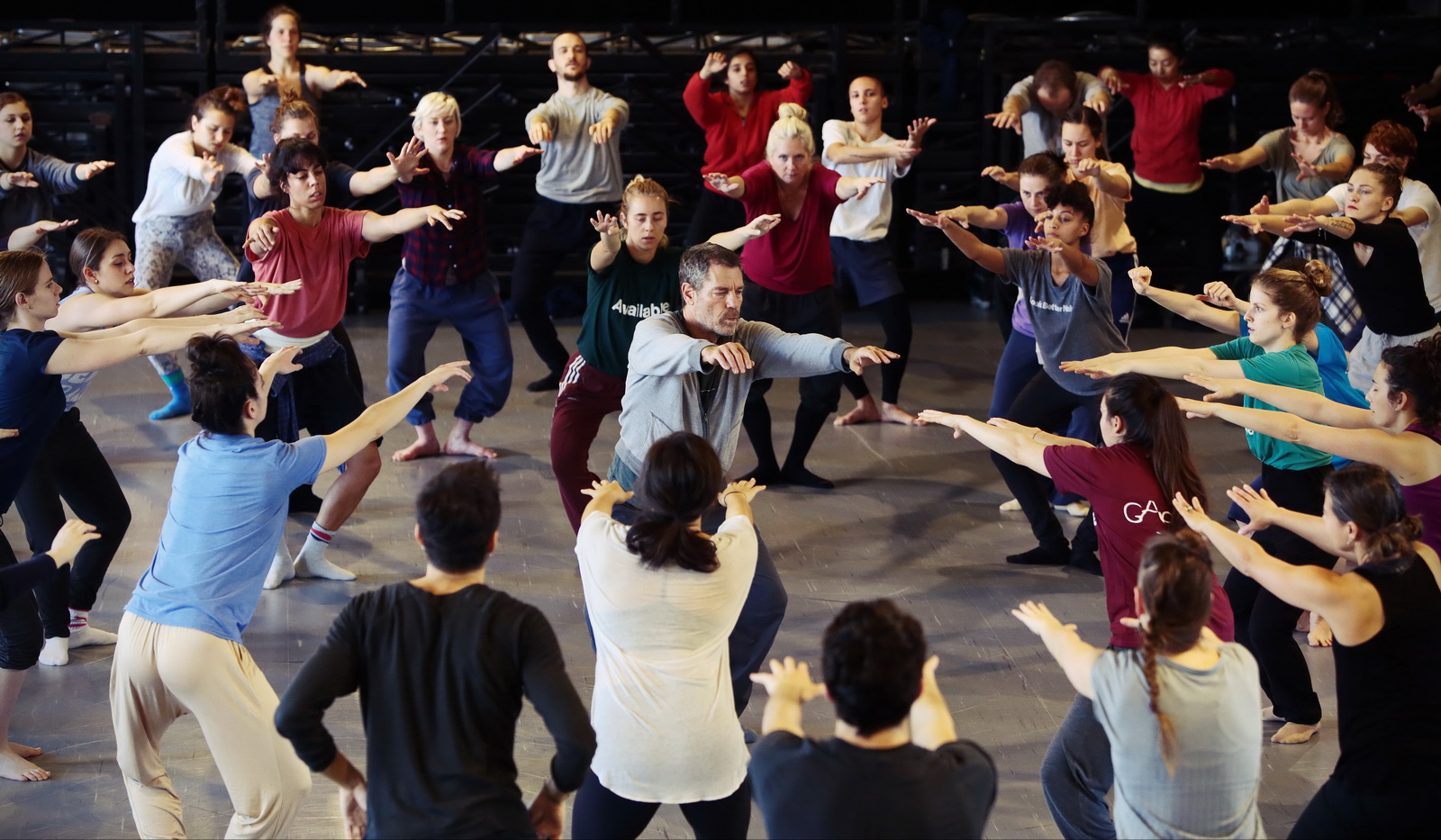
גאגא פונה לשני קהלים עיקריים: גאגא/רקדנים וגאגא/אנשים. השיעורים מתקיימים באופן שוטף
ברחבי הארץ ובערים מרכזיות ברחבי העולם.
עוררו את התחושות
גאגא/אנשים
מידע כללי
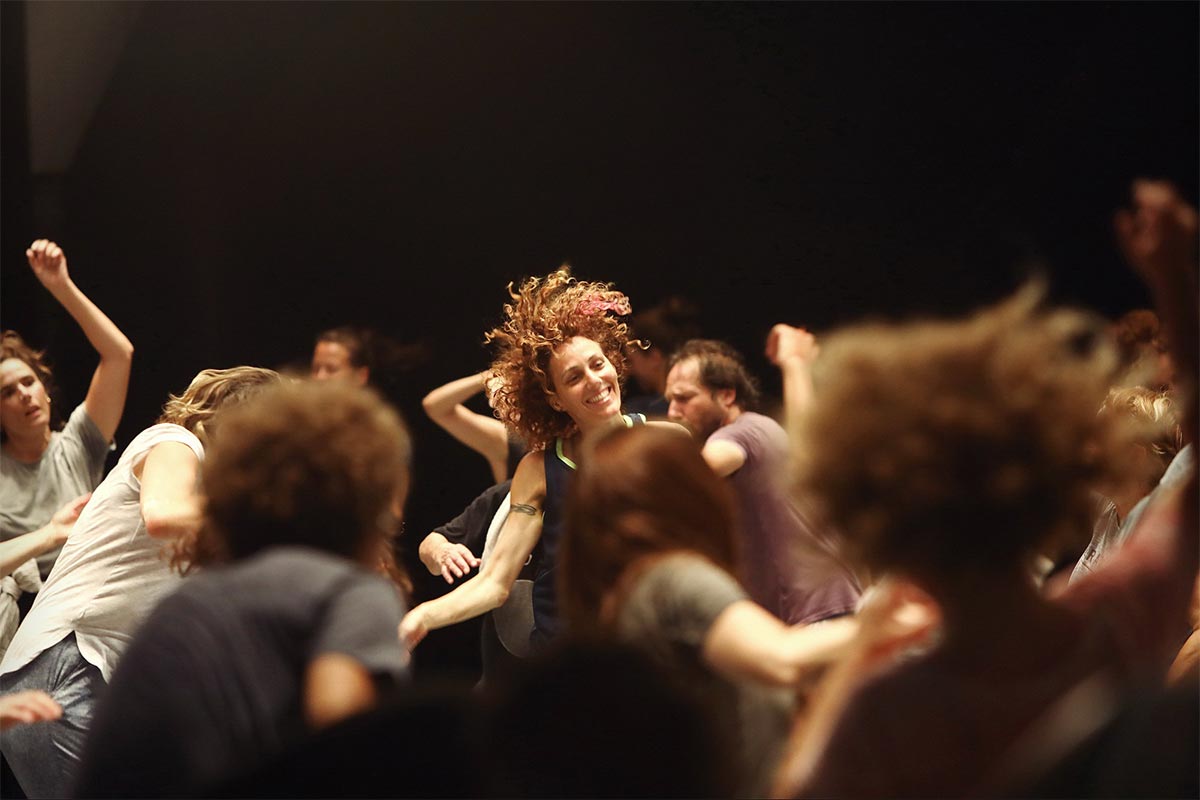
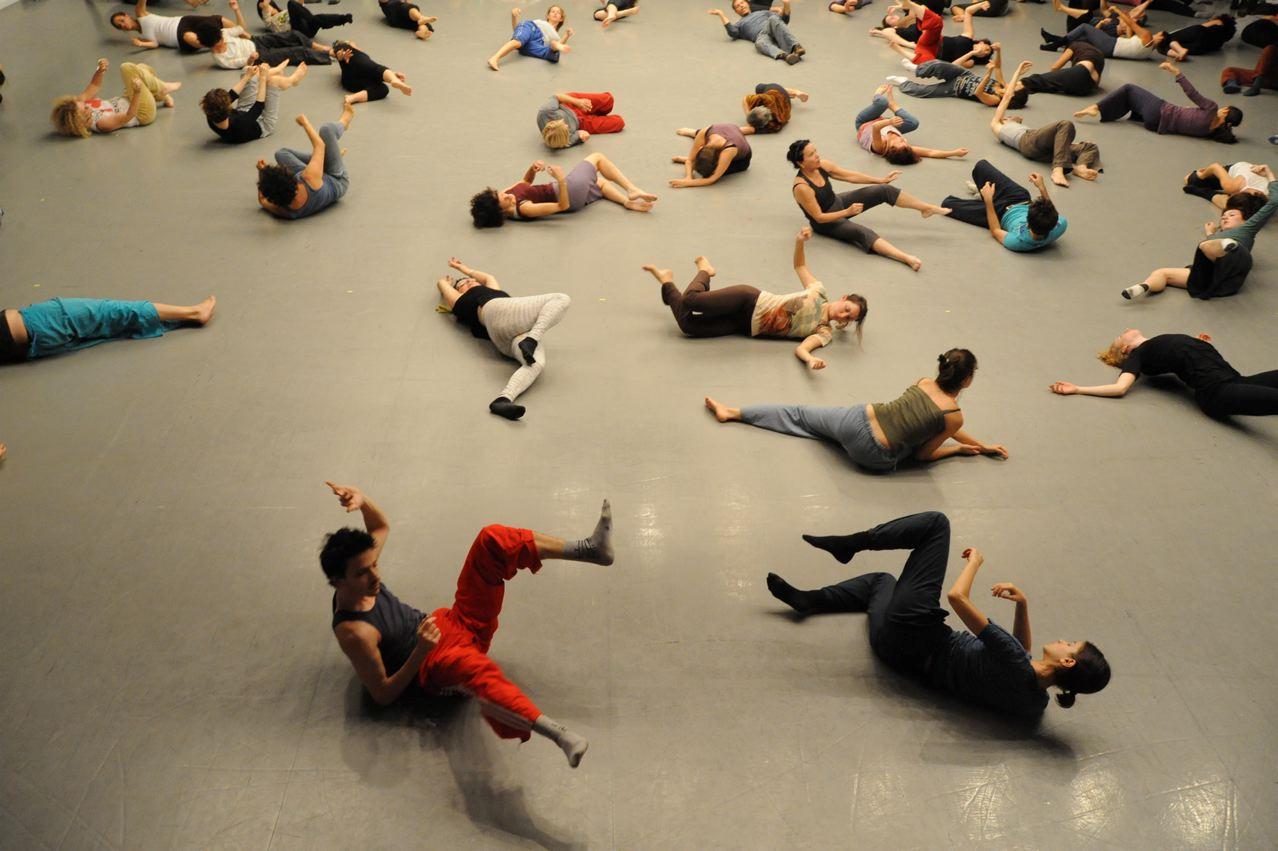
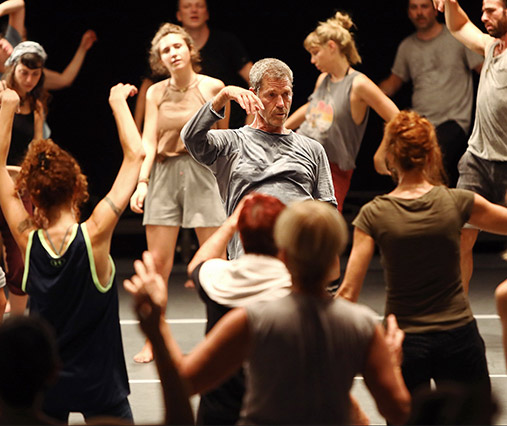
גאגא/אנשים מציעה למשתתפים מסגרת להתחבר אל גופם ואל הדמיון שלהם, לחוות
תחושות ורגשות, לשפר את הגמישות ולחוות את ההנאה בתנועה בסביבה מזמינה ומאפשרת.
גאגא תורמת לבריאות הגוף והנפש ומאפשרת גישה לכל היכולות שלנו. היא מפתחת מודעות
לתחושות, מסייעת לחיזוק הגוף וריפויו, תורמת לזריזות ולכוח המתפרץ, מעצימה חיוניות וערנות, משחררת מתחים ומאפשרת נוכחות איכותית. בגאגא/אנשים אין צורך בניסיון קודם, המשתתפים מודרכים באמצעות שימוש בסדרת הנחיות אשר בנויות נדבך על נדבך ויוצרות רצף תנועתי. כל משתתפי השיעור מתנסים בחקירה פעילה של ההנחיות שניתנו, תוך שהם מגלים כיצד ניתן לפרש באופן סובייקטיבי את המידע הניתן ולבצע את ההנחיה בהלימה לתחושותיהם ולפרשנותם האישית.
פרטים על השיעור
שיעורי גאגא/אנשים פתוחים לאנשים מגיל 16 ומעלה, אין צורך בניסיון קודם במחול או בתנועה.
המשתתפים צריכים לבוא בבגדים נוחים, ולהתכונן לרקוד יחפים או עם גרביים.
שיעורי גאגא/אנשים נמשכים כשעה.
הצטרפו אלינו
שיעורי גאגא/אנשים מתקיימים באופן יומיומי במרכז סוזן דלל בתל אביב ובעוד מגוון מקומות ברחבי הארץ ובעולם.
הרחיבו את היכולות
גאגא/רקדנים
מידע כללי
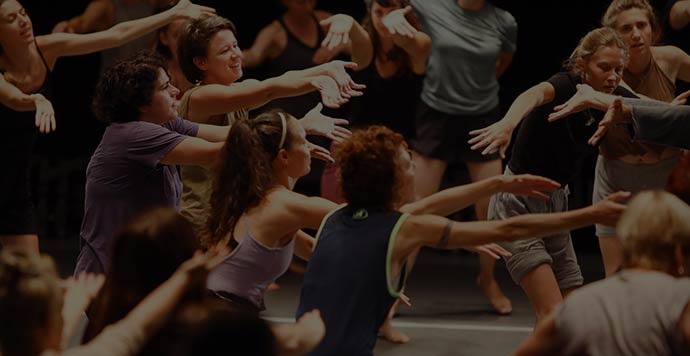
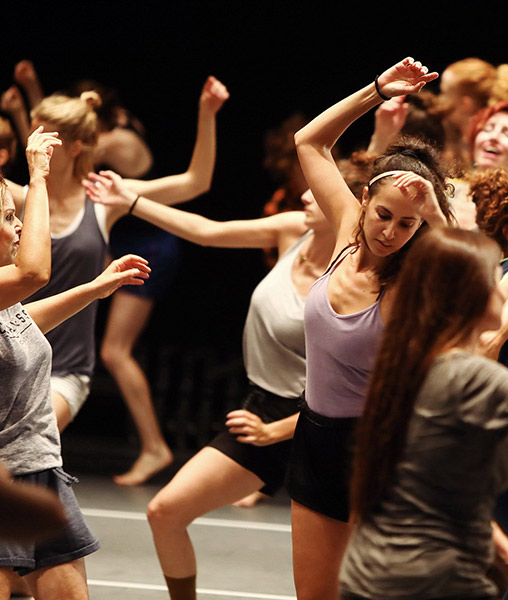
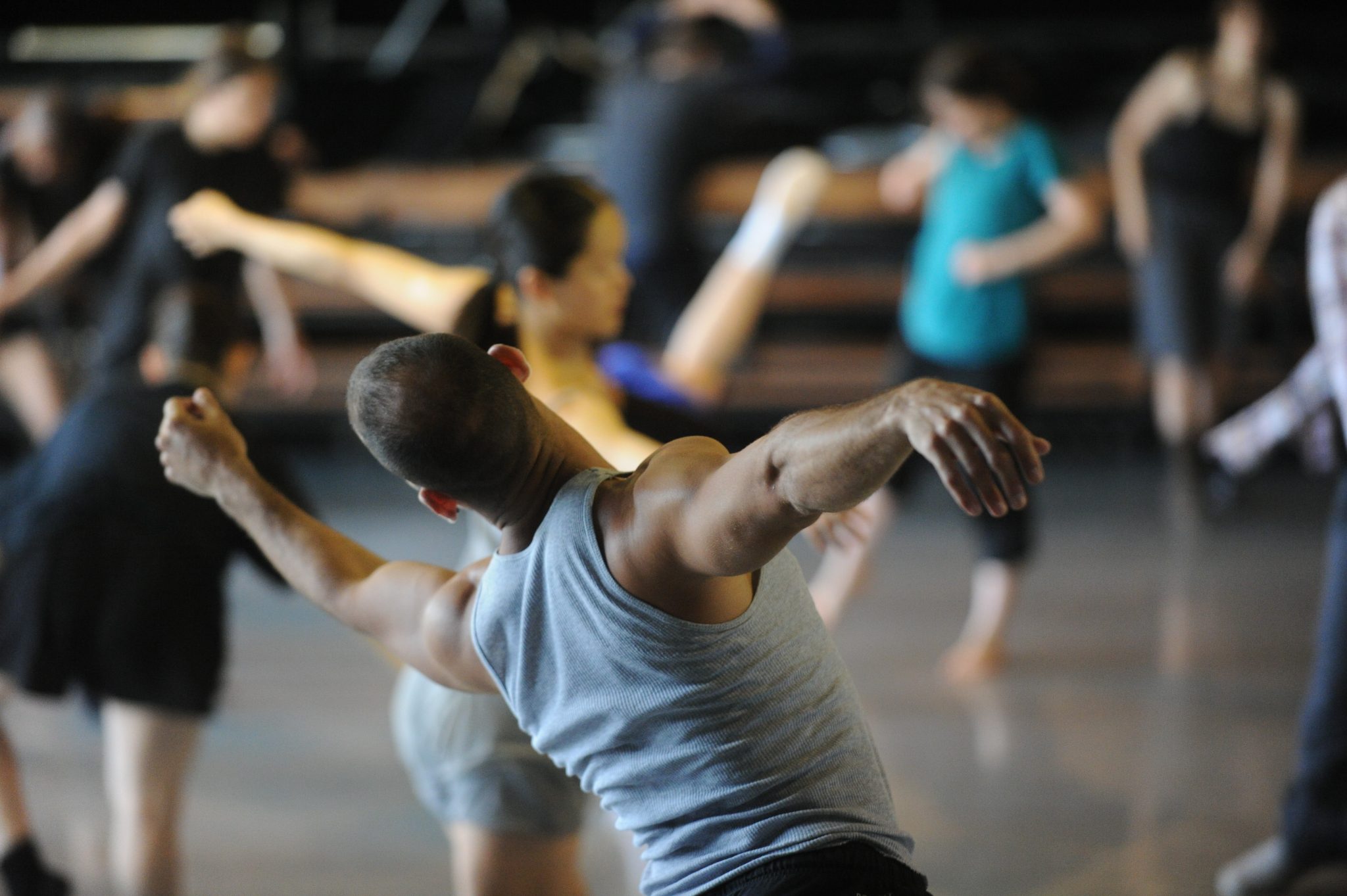
גאגא/רקדנים מעמיקה את מודעות הרקדנים לתחושות פיסיות, מרחיבה את מגוון התנועות העומד
לרשותם, מגבירה את יכולתם לווסת את האנרגיה ולעשות שימוש בכוחם המתפרץ.
גאגא מעשירה את איכות התנועה במגוון רחב של טקסטורות, מאתגרת את הגבולות, ומגיעה לחקר
נקודות הקיצון של יכולת הגוף הפיזי – מהמזערי למירבי, מהאיטי ביותר למהיר כברק, מעדינות לעצמה
מתפרצת, מרכות זורמת לסמיכות עבה. דרך התנועה של גאגא מציבה בפני הרקדנים אתגרים חדשים, מזמינה אותם לבקר במחוזות בלתי מוכרים, ולהתנסות בתבניות תנועה חדשות.
שיעורי גאגא/רקדנים בנויים על עקרונות זהים לאלו של שיעורי גאגא/אנשים, אך בנוסף להם, נעשה
בהם גם שימוש באוצר המילים והתנועות הספציפיות שמהוות חלק בלתי נפרד מעולם המושגים של
המחול. שילובן של מיומנויות טכניות מוכרות עם משימות גאגא, מציבה בפני הרקדנים אפשרויות חדשות ואינסופיות. הרקדנים נדרשים לחבר בין מאמץ לתענוג ולמצוא את הדרך להשתמש בשטות כמעלה. במהלך השיעור מעודדים המורים את הרקדנים לבקר בכמה שיותר מחוזות בלתי מוכרים,
כמו גם להתנסות בצורות תנועה חדשות.
פרטים על השיעור
ההשתתפות בשיעורי גאגא/רקדנים פתוחה לרקדנים או לסטודנטים מתקדמים למחול
בגילאי 16 ומעלה.
שיעור גאגא/רקדנים נמשך שעה ורבע ומועבר על ידי רקדנים שהוכשרו לכך במיוחד ע"י גאגא.
הצטרפו אלינו
סדנאות גאגא אינטנסיב לרקדנים מתרחשות בתל אביב פעמיים בשנה, ובעוד ערים ברחבי העולם.
פעילויות נוספות הכוללות שיעורי גאגא ורפרטואר של אוהד נהרין, מתקיימות במסגרות לימוד ברחבי
הארץ ובעולם.
תנועות קטנות, תענוג גדול
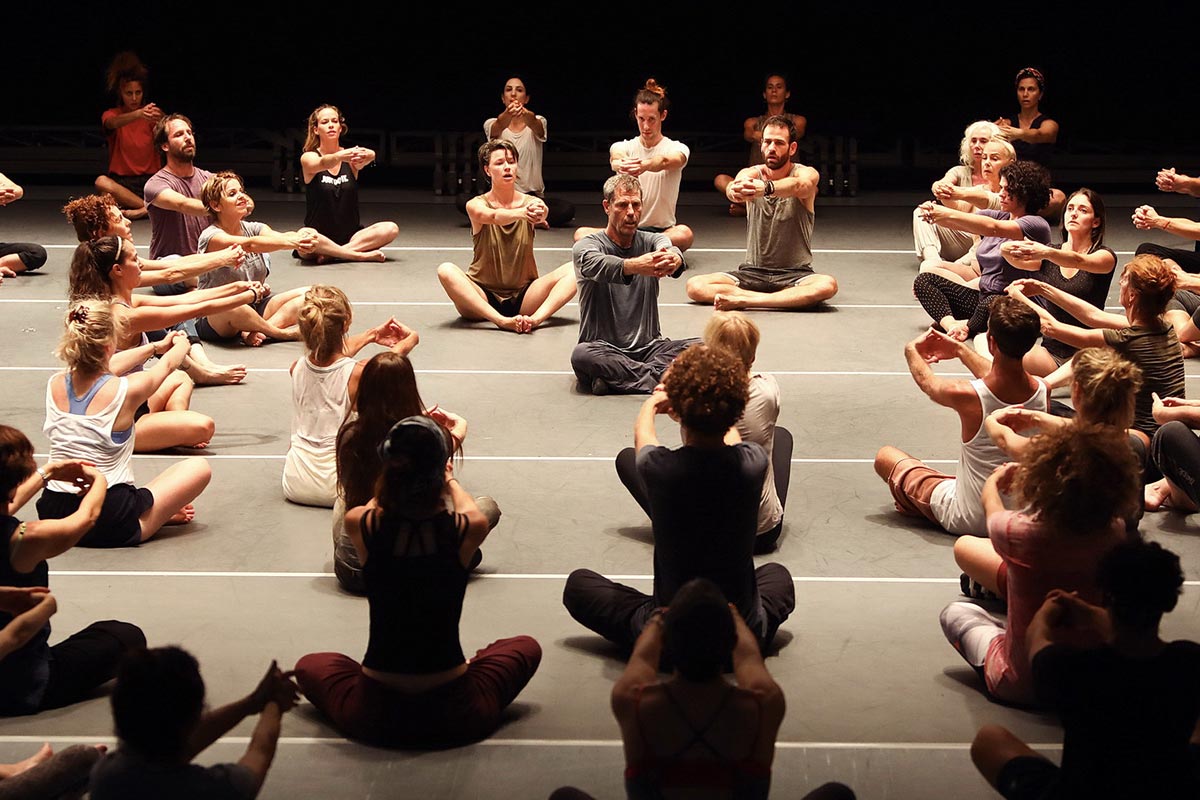
גאגא בישיבה
מידע כללי
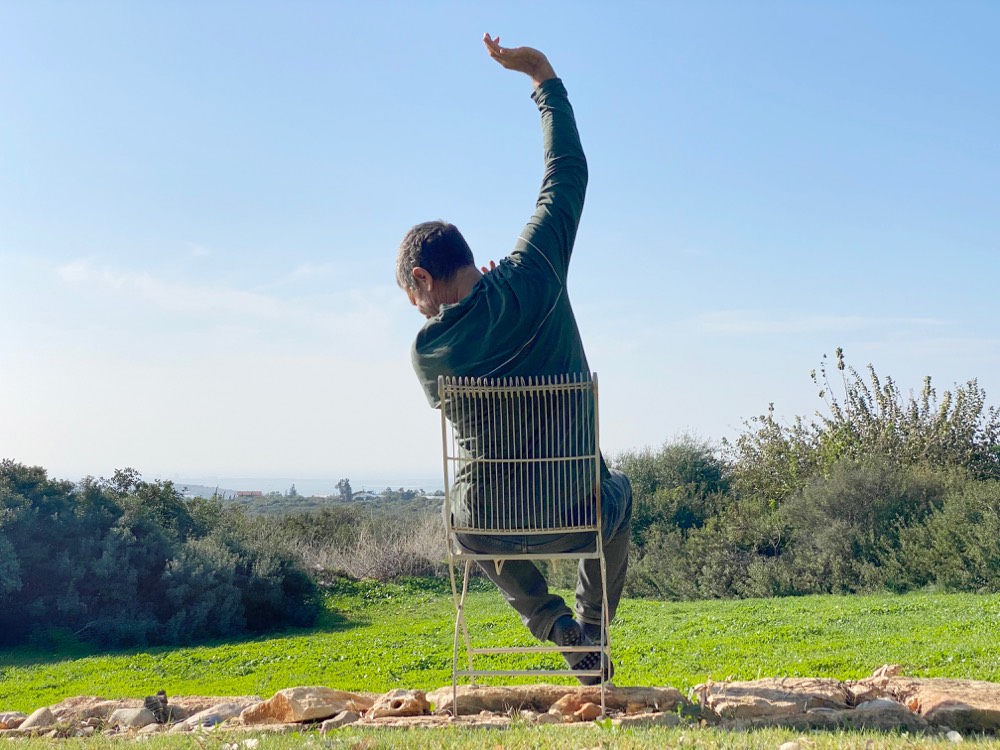
שיעורי גאגא/בישיבה זמינים למנעד רחב של אנשים אשר אימון גופני בעמידה מאתגר עבורם. השיעור מותאם לאנשים המתמודדים עם מצבים כגון מחלה או פציעה המתבטאים במוגבלות פיסית. השיעור מציע מחקר פיסי המכיר במוגבלות תוך שימת דגש על יכולות הריפוי, הפוטנציאל לחיזוק, והתענוג שבתנועה.
משתמשים מוזמנים להשתתף על פי יכולתם הגופנית הנתונה. יש להיות מוכנים עם כסא יציב על משטח אחיד.
שיעורי גאגא בישיבה מועברים במגוון מסגרות ועבור קשת רחבה של אוכלוסיות המתמודדות, כל אחת בדרכה, עם מוגבלות פיזית כלשהי.
גאגאדים
גאגא/משפחות
מידע כללי
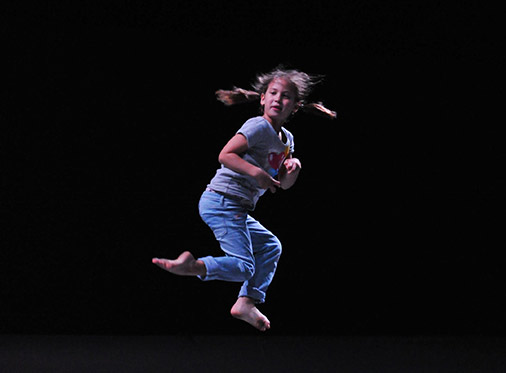
גאגא מזמינה ילדים לחוות את הקסם שבתנועה ולפתח את הדמיון באמצעות שיעורי גאגאדים –
גאגא לילדים. גאגא מחוברת לתנועה הטבעית של הילד ומעניקה לו באופן בלתי אמצעי כלים ויכולות
להתפתחות אישית ועצמאית.
גאגא ילדים מפתחת את היצירה, הגמישות, הכוח המתפרץ, הזריזות, העידון, האלתור, ההומור
העצמי וההקשבה לקשת רחבה של תחושות אצל ילדים, עם תשומת הלב לכל ילד והיכולות שלו.
גאגא מעודדת תיעול רגשות שונים לכדי חוויה פיזית, באווירת חופש וחדוות עשיה המחזקת את
תחושת המסוגלות של הילד.
פרטים על השיעור
אוהד נהרין מצא כי הערך הגדול של גאגא לילדים הינו עבודה משותפת עם בן משפחה בוגר. שיעורי גאגא/ילדים מתאימים לילדים בגילאי 6-10. השיעור נמשך 50 דקות ומתקיים באולם ללא
מראות ועם בגדים נוחים.
תתכוננו לשיעור גאגא
הנחיות עבודה
אנחנו עובדים ברצף
לא מפסיקים. המפגש הינו סשן אחד בו המורה נותן רצף של הנחיות שבאות זו על גבי זו. אפשר תמיד להוריד את הווליום של העבודה הגופנית, אבל בלי לוותר על התחושות שכבר עוררתם.
שכבות של אינפורמציה
השיעור בנוי מרצף של הנחיות, כל הוראה אינה מבטלת את הקודמת אלא מתווספת אליה, יוצרת ומגדילה את השפעתה על הגוף ותחושותיו.
אנחנו מקשיבים לגוף שלנו
ולמגוון התחושות, לפני שאנחנו אומרים לו מה לעשות. בגאגא אנחנו מעודדים להתחבר לתענוג שבתנועה ולמצוא את תחושת ההנאה גם בזמן מאמץ.
עובדים עם עיניים פקוחות
אנחנו מתחילים בזמן
אנחנו מזמינים אתכם להגיע 15-20 דקות לפני תחילת השיעור. למצוא לכם מקום בסטודיו, להירגע ולהתכונן. מאחרים לא יוכלו להיכנס לשיעור.
אנחנו דואגים לגוף שלנו
במידה ויש לכם מגבלה או כאב פיזי, קבוע או זמני, דברו על כך עם המורה בתחילת השיעור והיו ערניים לכך במהלכו. הכאב היחיד אותו אנו מעודדים בגאגא הוא תחושת הבעירה בשרירים.
אנחנו עובדים יחפים
ללא נעלים.
עובדים בשקט
בזמן השיעור לא מדברים. אלא אם כן יש הנחיה להשתמש בקול, במילים. אם מתעוררות שאלות אתם מוזמנים להעלות אותן בסוף השיעור.